By Marcus T. · Updated 2026-08-16 · 11 min read
When you search for “tvpassorg not working” or “tvpassorg review,” you usually land in a swamp of old forum posts, contradictory YouTube comments, and screenshots from three different app versions. The result is predictable: someone uninstalls a working service, pays for an overpriced alternative, or downloads a suspicious APK from a random file host. None of that is necessary. The screen above shows what a correctly configured tvpassorg channel list looks like inside a modern IPTV player — complete EPG, sorted categories, and a live connection. It looks simple because the setup is simple once the myths are removed.
This article breaks down the five most damaging tvpassorg myths — the ones that cause refund requests, unnecessary VPN setups, and missed streams during important matches — and compares each popular belief against what actually happens on the server side, inside the player settings, and across real-world installations.
Why Misconceptions Damage Results
Myths in the IPTV space are not harmless. They lead to concrete financial losses, wasted setup hours, and avoidable security risks. A user who believes the “service is dead” myth stops troubleshooting at the first error and jumps to a new provider — losing the trial period, paying again, and starting from zero. A user who believes the “any APK is fine” myth can install a package that collects credentials. A user who believes the “VPN is legally required” myth may blame the provider for issues that are actually routing problems.
Misinformation damages results because it replaces the actual cause with a comfortable story. The actual causes — stale playlist URLs, outdated players, DNS blocks, ISP throttling, and timezone mismatches — are measurable and fixable. This article gives you a verification protocol for each one, so you can stop guessing and start confirming.
Myth 1: “The Service Is Down” — What Really Happens
Where the belief comes from
Ask any group of IPTV users about their experience, and someone will say that tvpassorg has shut down. That message gets repeated in Telegram groups and support threads, and suddenly everyone believes the entire platform is offline.
What the evidence shows
A dead server is real but rare. The far more common cause of a “tvpassorg not working” message is a stale playlist URL or an outdated Xtream Codes login. When a reseller moves to a different backend, the old URL stops responding. The accounts have not been deleted — the access point has moved. That is one of the easiest verifications in IPTV: open your customer dashboard, check the current server hostname, and re-enter it in the player.
The second common cause is an outdated player app. Smart TV apps, Fire Stick versions, and Android builds need updates just like any other software. A version that worked fine a year ago can fail after video codec changes. The third cause is ISP throttling: live streams from lesser-known hosts are often slowed down during peak evening hours. Switching your DNS to 1.1.1.1 or 8.8.8.8 resolves this in minutes. The fourth cause is an EPG timezone mismatch, where the playlist is working fine but the guide looks empty. None of these situations means the service is “dead.”
Myth 2: “A tvpassorg Alternative Will Fix Everything”
Where the belief comes from
When buffering happens during a live match, the natural reaction is to blame the provider and search for a tvpassorg alternative. The belief is that a different brand means different performance.
What the evidence shows
Many providers are simply resellers of the same upstream IPTV infrastructure. If your playlist runs through the same source servers, switching brands changes the logo on the login page — not the bitrate of the channel. That is why comparing any tvpassorg alternative means comparing the actual delivery chain: trial quality during peak hours, uptime reports, EPG coverage, simultaneous connections, and support response time.
What often looks like a provider failure is actually a device or network issue. Buffering on live sports is usually a bandwidth problem; missing channels can be a playlist parsing problem. Before switching services, run a 10-minute diagnostic: test the same playlist on a second player, run a speed test, and confirm whether the same channels buffer across two consecutive days. Evidence-based switching beats rumor-based switching.
Myth 3: “Download the tvpassorg APK From Any Site”
Where the belief comes from
Because IPTV players are free software, many users assume any website offering a direct APK download is safe. Search for “tvpassorg apk download” and you will see dozens of file-host pages, none of which are official.
What the evidence shows
Legitimate IPTV installs use a generic player like IPTV Smarters Pro, TiviMate, XCIPTV, or VLC. You then enter your tvpassorg subscription credentials inside that official app. There is no “tvpassorg app” that must be side-loaded from a file-sharing site. If you encounter an APK named after the service and it promises an all-in-one experience with login and channels preconfigured, treat it as a red flag.
Modified APK packages are known to request overly broad permissions — SMS access, device administrator rights, or accessibility controls that have nothing to do with video playback. The safest path is always the developer’s official store listing or their verified repository. If someone tells you to install a separate APK to “activate” your subscription, that is not how playlist-based IPTV services operate.
Myth 4: “Expensive Subscription Price Means Premium Quality”
Where the belief comes from
Across most industries, price correlates with quality. For IPTV, that logic does not translate cleanly, and many buyers overpay for a tvpassorg subscription price that is only higher because of the reseller’s margin.
What the evidence shows
Pricing in IPTV is governed by the reseller, not by the upstream broadcaster. The same channel line-up can legitimately appear at a promo price of $5 per month and at a premium price of $15 per month. The difference is usually what is wrapped around the same playlist: support staffing, additional simultaneous connections, EPG configuration, or a more responsive customer panel.
Quality indicators that actually matter are average uptime, connection limits, channel count, VOD library depth, and whether the seller answers support tickets within hours rather than days. Read recent user reviews and compare the tvpassorg subscription price across two or three official pages before assuming the most expensive option is the safest one. In this category, a proven reseller offering a 24-hour trial is the strongest premium indicator there is.
Myth 5: “A VPN Is Legally Required for IPTV”
Where the belief comes from
The IPTV gray-market reputation has produced a strange side effect: people believe that using a VPN is the legal equivalent of a getaway car, and that without it, the ISP will report them.
What the evidence shows
IPTV is a method of delivering video content over an internet connection. Many official services use IPTV as their technical foundation. The legal classification depends on the rights of the content being distributed and on your local copyright framework — not on the abbreviation “IPTV” appearing in a forum post.
A VPN provides encryption, privacy benefits, and can help bypass ISP throttling that targets streaming traffic. But a VPN does not transform unauthorized content into authorized content, and it is not a fixed requirement for every tvpassorg connection. Users in countries with strict copyright enforcement should check local guidance and choose services that operate transparently. The myth is that a VPN is a legal magic wand — it is not.
✓ Benefits & Pros
Multi-device support: works with Fire Stick, Android TV, Windows, macOS, and smart TVs.
EPG included on most plans: a populated guide makes hundreds of channels easy to navigate.
Standard Xtream Codes and M3U support: compatible with TiviMate, Smarters Pro, and VLC.
Trial options available from reputable resellers before long-term payment.
✗ Limitations & Cons
Quality depends on the reseller: activation, refunds, and server assignments are handled through the vendor.
Not available on official app stores: you configure a URL inside a third-party player.
Internet connection quality matters: no IPTV service can compensate for a weak Wi-Fi signal.
Rights frameworks differ by region, so local verification is always recommended.
RECOMMENDED RESOURCE
tvpassorg
Review up-to-date regional server maps and infrastructure.
View the tvpassorg Platform →
What Actually Works Based on Evidence
Once the myths are removed, the practical protocol is simple. The setup shown above — a Fire Stick running an IPTV player connected to a sports channel — represents a validated installation: wired or 5 GHz Wi-Fi, updated player, and correctly entered credentials. These are the numbered actions that resolve the majority of tvpassorg support tickets:
- Verify the playlist URL directly. Paste it into a browser address bar. If it returns a file or a readable response, the service is alive. If it returns a blank page or a 404, the access point has changed — log into the customer panel for the current URL.
- Update the player first. Outdated software is the main source of codec-related black screens. Refresh via Google Play or the developer’s official repository before buying a new subscription.
- Set the external player to hardware decoding. This single setting fixes many frame-dropping and stutter complaints that users incorrectly attribute to the provider.
- Swap the DNS server. ISP-level filtering and throttling can break live streaming. Set the DNS to 1.1.1.1 or 8.8.8.8, restart the player, and stream the same channel again.
- Test with a trial before any long-term payment. A 12-hour trial that includes primetime hours is worth more than a full month of guesses.
- Match the EPG timezone. Entering the correct time offset in the player fixes empty guide listings, which many users misread as a server outage.
Popular Belief vs Reality: The Quick Reference Table
The table below summarizes the five myths side by side with their documented reality. Bookmark it for the next time someone posts a panic message in a group chat.
Compare premium line configurations and promotional limits.
Check Out tvpassorg Deals →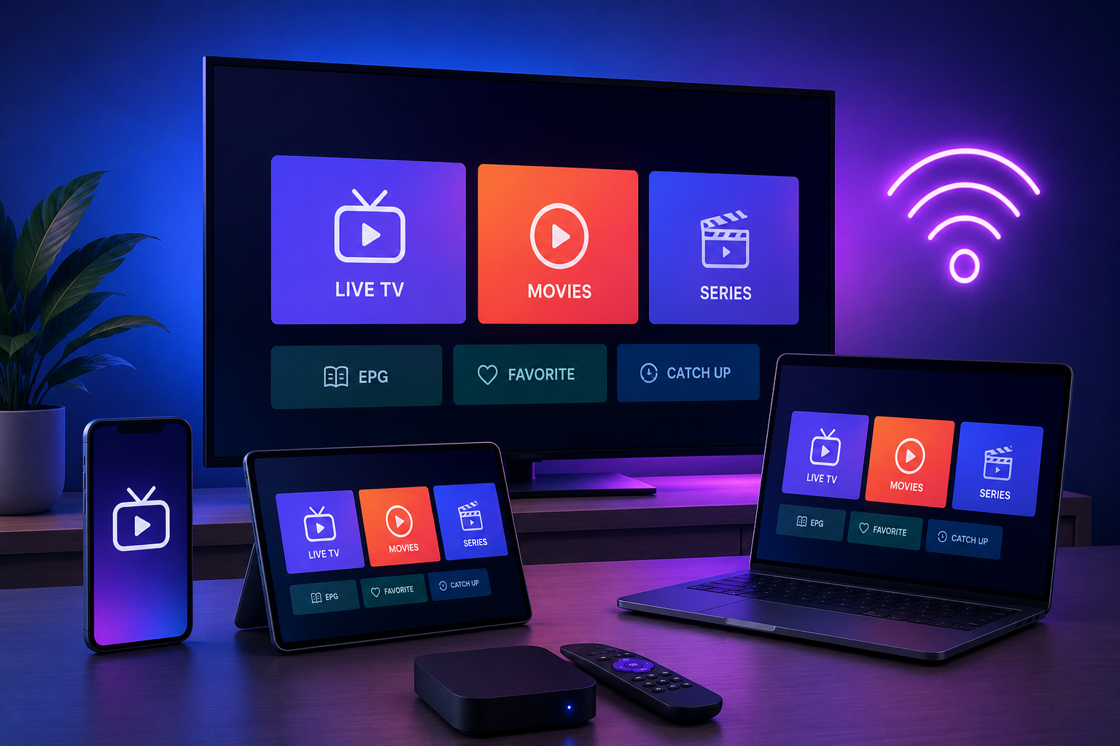
The Bottom Line: Evidence Beats Rumors
The tvpassorg space is full of myths because it sits at the intersection of tech troubleshooting, gray-market confusion, and old threads that refuse to die. The five myths covered here — the dead service, the magical alternative, the random APK, the premium price, and the mandatory VPN — are the ones that most frequently cause real money to be wasted. The connection diagram above visually summarizes the entire setup chain: a playlist URL, an EPG source, and a player that connects them. That is it. There is no hidden activation step, no mysterious APK, and no legal incantation required.
Stick to the evidence-based protocol: verify the playlist, update the player, test with a trial, check the DNS, and set the EPG timezone. Those five actions will solve more tvpassorg problems than any emergency provider switch ever will.
Featured Streaming Selection:
See tvpassorg Pricing →Affiliate Disclosure: Clicking this secure link verified by our network supports our team through standard partnership terms at zero extra cost to your invoice.
Frequently Asked Questions
This article contains affiliate links. Our editorial analysis remains independent.