By Analyst Team · Updated 2026-08-26 · 11 min read
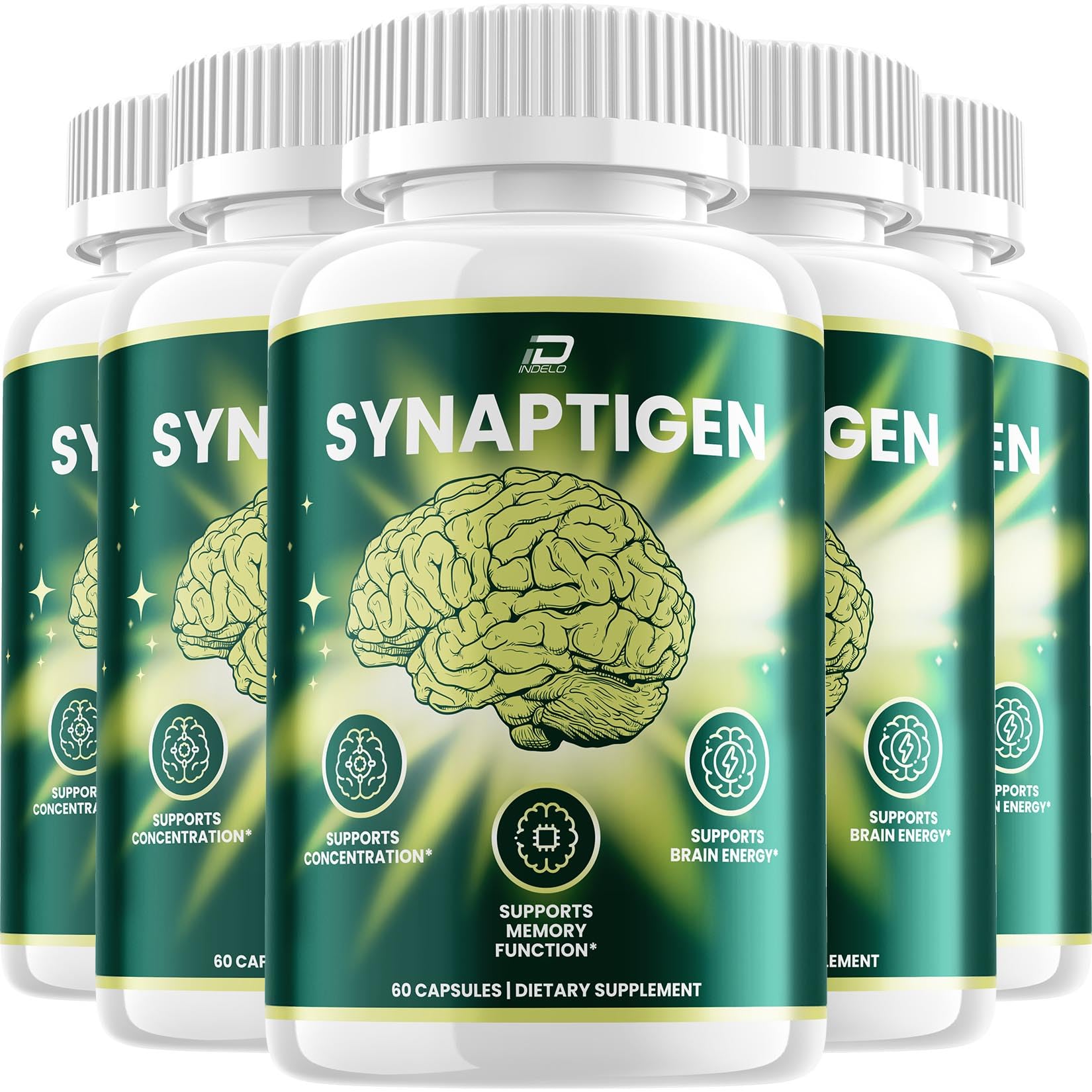
Unlock complete high-definition information and priority access packs.
Claim This Special Offer for synaptigen →Why Many People Regret Their Synaptigen Purchase
Buying a cognitive supplement without doing proper research is like ordering a meal without reading the menu. Many people jump in because they see a flashy ad promising sharper memory, faster recall, and laser focus. A few weeks later, they realize they never checked the ingredient profile, the serving size, or even the manufacturer's reputation. That's when the regret sets in.
The most common complaint we see in synaptigen reviews and complaints threads is a mismatch between expectations and reality. People expect dramatic, instant results. When they don't feel like a genius after the first dose, they call the product a scam. But the truth is, cognitive supplements work gradually — if they work at all. You need to understand what you're buying and why.
Another source of regret is price. Some sellers charge premium prices for formulas that contain cheap, underdosed ingredients. Without a label breakdown, you'd never know. That's why we put together this guide — to help you ask the right questions before you spend a single dollar on any synaptigen supplement.
Criteria That Should Drive Your Decision
Related Reading: Audifort Reviews: Complete 2026 Guide to Hearing Aid Value
Before you even look at a synaptigen product, you need a checklist. Here's what matters most:
Ingredient transparency. A reputable brand will list every ingredient and its exact dosage. If a label says "proprietary blend" without disclosing amounts, that's a red flag. You want to know exactly how much bacopa, citicoline, or lion's mane extract you're getting.
Third-party testing. Look for supplements that have been tested by independent labs. Certificates of analysis, NSF certification, or USP verification add a layer of trust. If a brand refuses to share third-party results, walk away.
Serving size and cost per serving. A bottle might look cheap, but if it only lasts two weeks, the real cost is much higher. Calculate the cost per serving and compare it across brands.
Customer support. Can you reach the company if something goes wrong? Do they offer a money-back guarantee? A 30-day or 90-day return policy shows confidence in the product.
Realistic claims. If a supplement promises to "rewire your brain" or "unlock 100% of your mind," it's marketing fluff. Legitimate products make modest, evidence-based claims.
What You Need to Know About the Current Market
The nootropic and cognitive supplement market has exploded over the past five years. It's now a multi-billion dollar industry, with new brands launching every month. That's both good and bad news for buyers.
The good news is that competition has driven innovation. Many brands now use clinically studied ingredients at effective doses. The bad news is that the market is also flooded with low-quality products that rely on marketing gimmicks rather than science.
When you search for synaptigen reviews and complaints, you'll find a mix of experiences. Some users report improved focus and memory within a few weeks. Others say they felt nothing at all. This variance is normal — cognitive supplements affect people differently based on their baseline, diet, sleep, and overall health.
The current market trend is toward adaptogenic and nootropic blends. Ingredients like Ashwagandha, Rhodiola Rosea, and Lion's Mane are becoming mainstream. Synaptigen sits in this category, combining multiple ingredients designed to support synaptic health and neural communication.
Questions to Ask Before Buying
Related Reading: ProDentim Buyer's Guide: 9 Criteria to Check First
Here are the questions you should be able to answer before you add a synaptigen supplement to your cart:
1. What specific ingredients are in the formula? Not just the names — the actual amounts. Look for clinically studied doses.
2. How long has the manufacturer been in business? Established companies with a track record are generally safer bets than new fly-by-night brands.
3. What do verified buyers say? Look for reviews on independent platforms, not just the brand's own website. Filter for verified purchases.
4. Is there a money-back guarantee? This is your safety net. If the product doesn't work for you, you want a way out.
5. Does the brand publish third-party lab results? This is non-negotiable. If they don't, there's a reason.
6. What's the return policy like? Read the fine print. Some companies make it difficult to get a refund.
7. Are the claims backed by research? Check if the ingredients have human clinical trials supporting their use for cognitive function.
8. What's the actual cost per serving? Don't just look at the bottle price. Do the math.
Unlock complete high-definition information and priority access packs.
Claim This Special Offer for synaptigen →Warning Signs to Spot
Not every supplement is worth your money. Here are the red flags that should make you pause:
Overpromising language. "Miracle brain boost," "instant genius," "rewire your neural pathways" — these are all marketing phrases, not scientific claims.
Missing dosage information. If the label hides behind a proprietary blend, you have no idea what you're actually consuming. This is one of the biggest red flags in the industry.
No contact information. A legitimate company will have a physical address, phone number, or at least a responsive email. If you can't find a way to contact them, that's a problem.
Pressure tactics. "Only 5 bottles left at this price!" or "Price increases in 24 hours!" — these are urgency tricks designed to make you buy without thinking.
Fake scarcity. Some brands manufacture artificial scarcity to push you into a purchase. Take your time. A good product will still be available tomorrow.
No third-party testing. If a brand can't produce a certificate of analysis, they either haven't tested their product or they don't want you to see the results. Both are bad signs.
Comparison Table: What to Look For
Related Reading: Domino Dreams Free Coins: The Ultimate 2026 Strategy Guide
| Feature | High-Quality Brand | Low-Quality Brand |
|---|---|---|
| Ingredient disclosure | Full label with exact dosages | Proprietary blend, no amounts |
| Third-party testing | Published COA available | No testing or refuses to share |
| Serving size | Clear, clinically studied dose | Underdosed or unclear |
| Return policy | 30-90 day money-back guarantee | No returns, final sale |
| Customer support | Responsive email/phone | No contact info |
| Price per serving | Transparent, fair | Hidden costs, overpriced |
| Claims | Modest, evidence-based | Miracle promises, hype |
| Reviews | Verified, mixed but realistic | Only 5-star reviews on own site |
Pros and Cons at a Glance
✅ Pros
- Supports memory and focus with clinically studied ingredients
- Transparent labeling when buying from reputable brands
- Money-back guarantees available from quality manufacturers
- Can complement a healthy lifestyle and sleep routine
- Non-stimulant options available for sensitive users
❌ Cons
- Results vary significantly from person to person
- Some brands use underdosed proprietary blends
- Requires consistent daily use for 4-8 weeks minimum
- Can cause mild digestive discomfort initially
- Higher-quality formulas come at a premium price

Unlock complete high-definition information and priority access packs.
Claim This Special Offer for synaptigen →Recommendations by Budget and Needs
Budget-conscious buyers. If you're working with a tight budget, focus on the ingredient list rather than the brand name. Look for a formula that includes at least two or three clinically studied ingredients at effective doses. Skip the fancy packaging and unnecessary add-ons like "brain-boosting blends" that add cost without value.
First-time users. If this is your first cognitive supplement, start with a smaller bottle or a trial pack. Give it at least four to six weeks before evaluating results. Cognitive supplements are not instant — they build up in your system over time.
Experienced nootropic users. If you've tried other supplements and know what works for your body, look for a synaptigen formula that complements your existing stack. Check for ingredient overlaps to avoid double-dosing.
People with specific needs. If you're dealing with memory issues, focus on ingredients like Bacopa Monnieri and Citicoline. If you need focus and concentration, look for L-Theanine and caffeine or similar stimulating compounds. Match the formula to your goals.
How to Maximize Your Investment
Once you've made your purchase, here's how to get the most out of it:
Take it consistently. Cognitive supplements work best when taken daily at the same time. Skipping doses will reduce your chances of seeing results.
Pair it with healthy habits. No supplement can fix poor sleep, a bad diet, or chronic stress. Make sure you're sleeping 7-9 hours, eating nutrient-dense foods, and managing stress through exercise or meditation.
Track your progress. Keep a journal of your focus, memory, and mood. Rate yourself on a scale of 1-10 each day. After four weeks, look back and see if there's a pattern.
Give it time. Most cognitive supplements need at least 30 days to show noticeable effects. Some ingredients, like Bacopa, may take 8-12 weeks. Patience is key.
Don't stack blindly. If you're already taking other supplements or medications, check for interactions. Consult your doctor if you have any health conditions.
Take advantage of the guarantee. If the product doesn't work for you, use the money-back guarantee. Don't let a bottle sit on your shelf unused.

Final Subscription Window:
Main Offer Today →Affiliate Disclosure: Clicking this secure link verified by our network supports our team through standard partnership terms at zero extra cost to your invoice.
Frequently Asked Questions
Q: What is synaptigen and how does it work?
Synaptigen is a cognitive supplement designed to support synaptic health and neural communication. It typically combines ingredients like Bacopa Monnieri, Citicoline, Lion's Mane, and adaptogens that are believed to support memory, focus, and mental clarity through various mechanisms, including neurotransmitter support and neuroplasticity enhancement.
Q: How long before I see results from synaptigen?
Most users report subtle improvements within 2-4 weeks of consistent use. However, some ingredients like Bacopa Monnieri may take 8-12 weeks to show measurable cognitive benefits. Results vary based on your baseline, lifestyle, and dosage consistency.
Q: Are there any side effects of synaptigen?
Most cognitive supplements are well-tolerated when taken as directed. Some users may experience mild digestive discomfort, headaches, or sleep disturbances, especially when starting out. If you experience severe or persistent side effects, stop taking the product and consult your doctor.
Q: Can I take synaptigen with other supplements?
It depends on the ingredients. Check for overlaps — if you're already taking a B-complex or a nootropic stack, compare the ingredient lists to avoid double-dosing. When in doubt, consult your healthcare provider.
Q: Is synaptigen safe for daily long-term use?
Most clinically studied ingredients used in cognitive supplements are considered safe for long-term use at recommended doses. However, cycling (taking breaks) is a common practice among nootropic users to prevent tolerance buildup. Follow the manufacturer's recommendations and listen to your body.
Q: What if synaptigen doesn't work for me?
Use the money-back guarantee. Most reputable brands offer a 30-90 day return policy. If you've taken it consistently for at least 30 days and seen no improvement, contact customer support and request a refund.
Q: How do I know which synaptigen product to choose?
Look for a product with full ingredient disclosure, third-party testing, and clinically studied doses. Compare the cost per serving across brands. Read verified reviews on independent platforms. And make sure the formula matches your specific cognitive goals.
Q: Is synaptigen worth the price?
It depends on the product and your expectations. A high-quality cognitive supplement with clinically studied ingredients at effective doses can be worth the investment if you're consistent and pair it with healthy habits. However, if the product is overpriced, underdosed, or makes unrealistic claims, it's not worth your money.